Painting an Older Douglaston Interior: Details to Check Before Choosing Colors
An older interior can contain several generations of repairs, coatings and changes. Before selecting new paint, identify the surfaces and details you want to preserve. For a Douglaston home, the planning process should be property-specific: the neighborhood name does not establish the wall condition, building age or designation. A careful brief helps connect the desired appearance to the appropriate preparation.
Look at construction and repair history
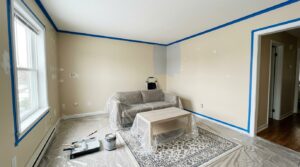
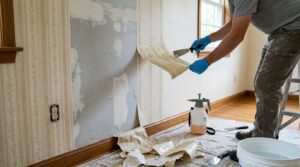
Different rooms may contain different substrates or alterations. One wall may have broad patching while another retains a more consistent older surface. Describe known repairs and changes without assuming that every room needs the same method. Photographs can support the discussion but cannot identify every underlying condition.
If you have records from earlier work, share them. They may help explain existing coatings, repaired leaks or replaced sections. The estimate should distinguish observed conditions from assumptions. An older-home painting project is more understandable when the contractor can explain what preparation addresses each problem instead of applying a generic old-house label to all surfaces.
Identify architectural details worth retaining
List moldings, doors, woodwork and decorative elements that should remain unchanged. Some owners want painted trim; others want to preserve existing stained finishes. Make that distinction explicit. A broad instruction to repaint the room should not lead to unexpected changes in retained details.
Ask how wall preparation meets those features. Thick buildup, altered edges or an unrelated trim color can change the room’s character. If ornamental repair or restoration is needed, confirm whether it belongs within the actual service scope. General interior painting is not automatically specialist restoration, and marketing language should not substitute for a clear agreement about the work.
Separate defects from material character
Not every irregularity in an older surface requires removal. Decide what appearance is acceptable and what bothers you in normal room lighting. Isolated damage, widespread texture and decorative variation are different issues. A careful assessment should explain which can be improved through painting preparation and which need another approach.
Avoid promising a universal perfect wall
The intended finish and lighting affect expectations. A reflective color beneath grazing light can reveal more variation than a flatter finish in diffuse light. Discuss the desired refinement and the included scope. An estimate should not promise to erase every trace of age without considering substrate, detail preservation and the extent of repair.
Treat recurring cracks and stains seriously
A repeated crack or stain can signal a condition that paint does not solve. Disclose when it appeared, whether it returns and any known moisture history. Ask what investigation or repair is needed before finishing. Covering the visible mark may produce only a temporary cosmetic result.
Do not probe or remove unknown material to gather photographs. Safe observation and existing records are a better starting point. If a separate qualified professional is needed, identify that role before scheduling painting. The finish should follow appropriate repairs rather than becoming a substitute for understanding the underlying problem.
Address older-coating safety separately
Older painted surfaces may contain lead, and disturbance can create hazardous dust. The EPA RRP program establishes requirements for covered paid work in pre-1978 housing and child-occupied facilities. Ask about applicable assessment, qualifications and work practices before sanding, scraping or other disturbance.
This does not mean every Douglaston wall contains lead or that an online article can determine its status. It means assumptions should not replace verification. Do not claim that ROL holds a specific certification unless documentation is confirmed. Where another qualified firm is necessary, coordinate the responsibility before work begins rather than treating safety as an optional finish upgrade.
Verify property-specific designation questions
Douglaston includes designated historic areas, but designation and requirements must be checked for the actual property and work. Do not assume every address has identical restrictions. Interior painting, exterior changes and regulated alterations can raise different questions.
Consult the appropriate authority or professional when the scope may affect protected features or require approval. A planning article is not a permit determination. Keep this discussion separate from the basic color decision so compliance does not depend on a contractor or owner guessing from neighborhood reputation. The actual address and proposed alteration are the relevant starting points.
 Coordinate color with retained wood and flooring
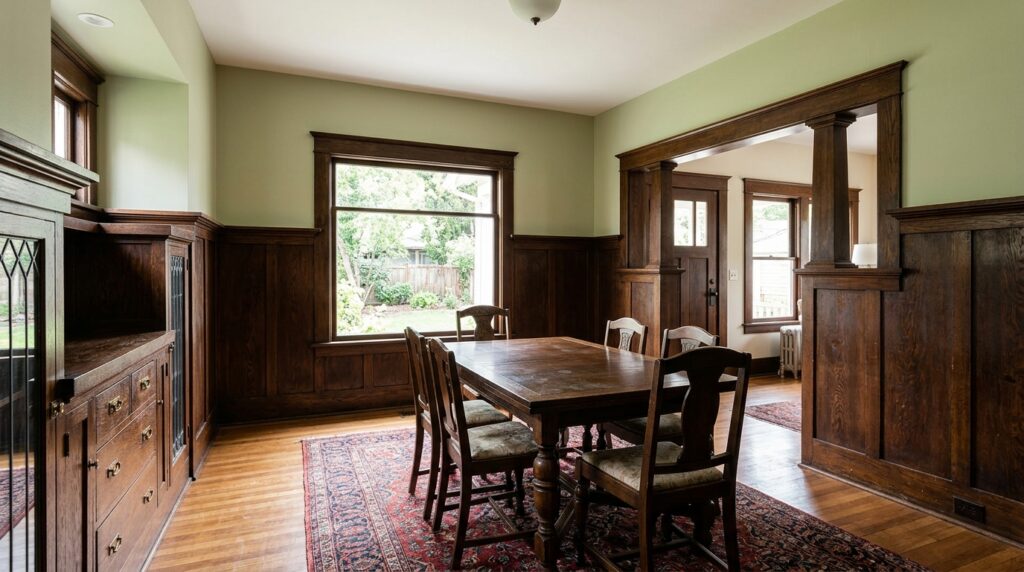
Older interiors often have fixed materials that strongly influence a palette. Wood tones, stone and adjoining rooms can make a color appear warmer or cooler. Review physical samples beside those materials rather than choosing solely from a digital room image.
If existing stained woodwork remains, decide whether the wall should contrast with it or create a softer transition. Test the sample under daylight and evening fixtures. Record approved colors and surfaces by room. This helps prevent similar neutral shades from being confused and makes later adjoining-room decisions easier to coordinate.
Select sheen with texture and use in mind
Flatter and more reflective finishes change the visibility of surface variation. Cleaning requirements also matter, particularly in busy circulation areas. Ask about the proposed coating’s actual performance rather than assuming every product with the same sheen name behaves identically.
If a wall has significant texture you intend to keep, judge the sheen beside that surface. If broader smoothing is planned, make sure it is included rather than assuming paint selection will create the same result. The right finish balances material condition, appearance and daily care. It is not determined by a universal rule for all older houses.
Plan access around daily life
Tell the contractor which rooms remain occupied, what furniture must stay and which routes need to be open. Staircases, narrow hallways and connected rooms can influence sequence. Ask who moves belongings and what preparation the owner needs to complete.
Drying and curing also affect return to use. Follow the selected product’s guidance before cleaning or bringing heavy contact back to the surface. A dry-looking wall is not automatically fully ready. Discuss these milestones before scheduling so residents understand the work plan rather than receiving unexpected restrictions after the last coat.
Compare proposals by preserved details and preparation
Estimate comparisons should include room surfaces, repair assumptions, retained features, coatings and access. A lower total may reflect a narrower scope rather than the same work at a discount. Ask about exclusions and how unexpected conditions require approval.
Retain the final colors, product information and notes about any underlying repairs. If future damage occurs, those records help assessment without guaranteeing an invisible touch-up. A good older-home repaint is not one that ignores the property’s history or claims to solve every defect. It is one with an appropriate, documented scope that serves the rooms and respects the details you chose to keep.
Your Douglaston interior brief
Create a room list with walls, ceilings, doors and trim separately. Photograph retained woodwork and any defects in ordinary and side lighting. Include known repair history, moisture concerns and coatings if available.
State which features must not change and what finish character you want. Check the property’s actual designation or approval requirements where relevant, rather than applying a neighborhood-wide assumption. Confirm safety requirements before any older coating is disturbed.
Send ROL Remodeling the Douglaston address, photographs and room-use constraints. Ask for an estimate that explains preparation and preserved elements. Confirm nearby Little Neck availability for the property, and keep exterior or specialist restoration requests separate unless specifically agreed.
An illustrative older-interior choice
Suppose a Douglaston room has detailed stained trim the owner wants to keep, alongside walls with several old patches. A proposal to repaint everything would miss a central preservation preference. The surface list should mark retained details and describe the wall refinement expected under the chosen lighting.
Any older-coating disturbance requires appropriate safety consideration. Property-specific designation questions should also be verified where relevant, rather than applying one rule to the whole neighborhood. These checks are separate from choosing a new neutral color.
This example is hypothetical and does not describe a ROL restoration. It demonstrates how a painting brief can respect existing character without promising specialist work that has not been agreed. Identify retained materials, observed defects and actual responsibilities before deciding which preparation and finish belong in the project.
Discuss the project with ROL Remodeling
For a property-specific conversation, review interior painting in Douglaston and our broader coverage information. Send your address, photographs and goals through the project estimate form. Confirm the service scope and current availability before scheduling.