Exterior Painting in Rye: Moisture, Preparation and Weather Planning
A lasting exterior coating depends on more than its color. The surface must be suitable, failures need assessment and application conditions must fit the selected product. For a Rye property, review each elevation rather than assuming the whole house receives identical sun, shade or moisture. This guide explains the questions that make an exterior painting estimate more useful.
List the exterior components separately
Siding, trim, doors, masonry and other surfaces can have different coating needs. The phrase paint the exterior may conceal several distinct systems. Identify what is included and what remains unchanged. Photographs from each side of the property help communicate the scope.
Do not assume a coating intended for one material is appropriate for every component. Existing paint, surface texture and exposure influence preparation and compatibility. If you do not know the material, say so and request assessment. A specific surface list gives the contractor a stronger starting point than a single total house area or a distant photograph of the front.
Investigate why the coating is failing
Peeling, blistering and repeated staining can have different causes. Another coat may temporarily improve appearance without resolving the underlying problem. Describe where the failure occurs, whether it returns and any known moisture history. Ask how the cause will be assessed before application.
A recurring problem on one shaded wall deserves a different discussion from ordinary weathering across a sound surface. Do not diagnose every defect from a photograph alone. The useful estimate distinguishes observed conditions, preparation assumptions and any investigation still needed. This makes it clearer whether painting can proceed or whether repairs must happen first.
Separate moisture control from paint selection
Water can reach a surface through leaks, damaged joints, poor drainage or other building conditions. Paint is not a substitute for resolving those sources. A moisture-resistant marketing description does not mean the coating can stabilize a continuously damp substrate.
Review exposure around the property
Rye’s Sound Shore setting makes exposure a reasonable question, but it does not prove that every home has the same conditions. Shade, landscaping, roof runoff and the orientation of each elevation can matter. Discuss the actual property. A blanket coastal paint claim is less useful than understanding where and why the building stays damp.
Define preparation by the surface condition
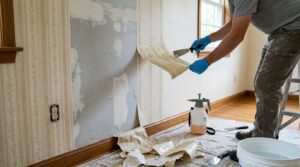
Cleaning, treatment of loose material, repairs and priming should be chosen for the substrate and coating system. A quote that merely says prep and paint may not explain what is included. Ask which defects are addressed and what limitations remain after preparation.
Older painted components may require a lead-safe assessment before disturbance. Covered paid work in pre-1978 housing can fall under EPA RRP requirements. Confirm applicable qualifications and procedures rather than assuming exterior work has no lead concern. Do not scrape unknown coatings yourself to help the estimate; a safety review should guide the work method.
Identify repairs that paint cannot perform
Damaged wood, unstable components and failed joints may need repair before coating. Clarify who assesses them and who is responsible for the repair scope. A painting estimate should not quietly imply structural restoration if that work has not been confirmed.
Photograph suspicious areas without probing or removing material at height. Ask how additional findings will be documented and approved. If a separate trade is needed, coordinate the handoff before painting begins. The finish should be applied to an appropriate base, not used to make a defective component look sound for a short period.
 Choose a coating system, not just a color
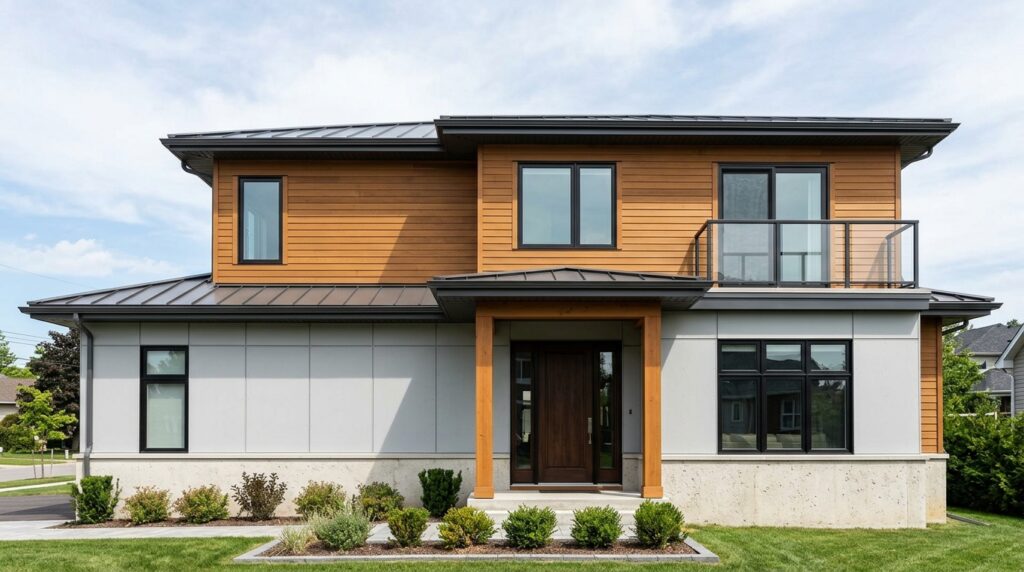
Substrate compatibility, exposure and product instructions should guide primer and finish selection. A popular brand name alone does not specify the complete system. Ask what products are proposed for each material and why they suit the observed conditions.
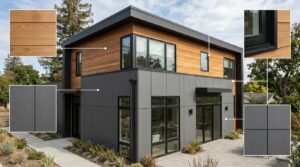
Color still matters. Review the relationship with roof, stone, neighboring fixed materials and retained components. Darker colors can change the appearance substantially and may have product or substrate considerations. Confirm those with the specified system rather than assuming every shade is equally suitable. A physical sample can also clarify how the color reads outdoors compared with a screen.
Let weather requirements govern application
Temperature, humidity, rain risk and surface moisture can influence application and drying. The selected manufacturer’s instructions establish suitable conditions. A sunny afternoon does not necessarily mean a previously damp surface is ready, and a weather forecast is not a guarantee.
Discuss how schedule changes will be communicated. An exterior plan should allow appropriate conditions rather than promise completion regardless of weather. If access equipment, deliveries or another trade depend on a date, share that constraint early. The objective is a workable sequence that supports the coating, not a compressed schedule that ignores its requirements.
Plan access and protect the surroundings
Landscaping, narrow side yards, slopes and overhead obstructions can affect access. Tell the contractor about areas that are difficult to reach and surfaces that need protection. Do not assume that a standard ladder arrangement is suitable everywhere.
Ask who handles moving outdoor furniture and how planting areas or adjacent finishes will be managed. If work requires equipment, permit or property-specific review, confirm the responsibility before scheduling. Owners should not perform risky high-level preparation themselves to simplify the job. Access is part of a professional scope, not a reason to bypass safety requirements.
Compare estimates by preparation and exclusions
Exterior prices can differ because proposals include different elevations, repairs, primers and access needs. Compare those details before the total. Ask whether trim, doors, shutters or detached structures are included and how existing failures are treated.
A competitor’s published rate is not a Rye-specific ROL quote. The actual substrate and geometry matter. If the budget is limited, discuss prioritizing clearly defined surfaces rather than leaving preparation ambiguous. Obtain written assumptions and a method for approving unforeseen repairs. This helps distinguish a complete coating project from a cosmetic overcoat with unresolved limitations.
Plan inspection and future maintenance
At completion, review the agreed surfaces and discuss care requirements. Keep product, color and preparation records. Exterior performance depends on the building as well as the coating, so future inspection of drainage, joints and damaged areas remains important.
If a recurring failure reappears, assess the cause rather than immediately applying another coat. A record of where it occurs and what changed can help. Avoid treating a warranty phrase as a universal guarantee against every moisture or substrate issue; confirm actual written terms with the business. The most useful exterior plan makes both the initial scope and ongoing responsibilities clear.
Prepare a Rye exterior brief
Photograph all elevations and close views of failure areas from a safe position. Note the material where known, previous coating history and any leaks or repairs. Mark components you want included and those that should remain untouched.
Describe access: landscaping, narrow passages, detached structures and outdoor furniture. Share any approval requirements and preferred timing, while recognizing that application dates depend on conditions.
Contact ROL Remodeling with the property address and this information. Request an estimate separating preparation, confirmed repairs and the coating system. Nearby Harrison or other Sound Shore addresses should be confirmed individually. No arbitrary mileage radius can establish actual service availability or expand Google Maps proximity.
An illustrative exterior-scope decision
Suppose a Rye home has broadly sound siding but repeated peeling near one shaded corner. Repainting every elevation without addressing the localized failure would not necessarily resolve its cause. The brief should describe where the problem occurs and any known drainage or moisture history.
A contractor may need to distinguish general coating preparation from investigation or repair in that corner. The selected product’s weather requirements also govern application; a requested date does not override surface moisture or unsuitable conditions. Access and nearby planting need their own plan.
This is a hypothetical example, not a diagnosis or ROL project history. It demonstrates why exterior estimates should identify assumptions by component and elevation. Color selection can follow an appropriate scope, but it should not replace assessment of repeated failures or necessary building repairs.
Discuss the project with ROL Remodeling
For a property-specific conversation, review exterior painting in Rye and our broader coverage information. Send your address, photographs and goals through the project estimate form. Confirm the service scope and current availability before scheduling.