Planning an Occupied-Home Interior Repaint in Bronxville
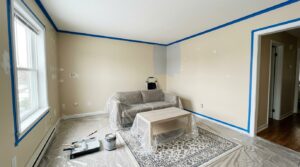
Painting an occupied home involves more than choosing colors. Rooms need to remain accessible, belongings need a plan and the new finish needs time to dry and cure. For a Bronxville homeowner, a room-by-room brief helps an interior painting estimate address both appearance and daily use. It also reduces the risk that a small assumption about ceilings, closets or furniture becomes a larger disruption.
Make a surface list rather than a room-name list
The instruction paint the bedroom can mean walls only, or walls, ceiling, closet, doors and trim. Write those surfaces separately. Note whether each keeps its current color or changes, and identify visible damage. This gives both you and the contractor a shared definition of the scope.
For connected rooms, include the transitions. A hallway, staircase or doorway can affect how colors relate and how the work is staged. Do not assume that an area outside the room is included because it appears in the same photograph. Clear boundaries make estimates comparable and help avoid unfinished-looking edges where one planned area meets another.
Identify which spaces must stay functional
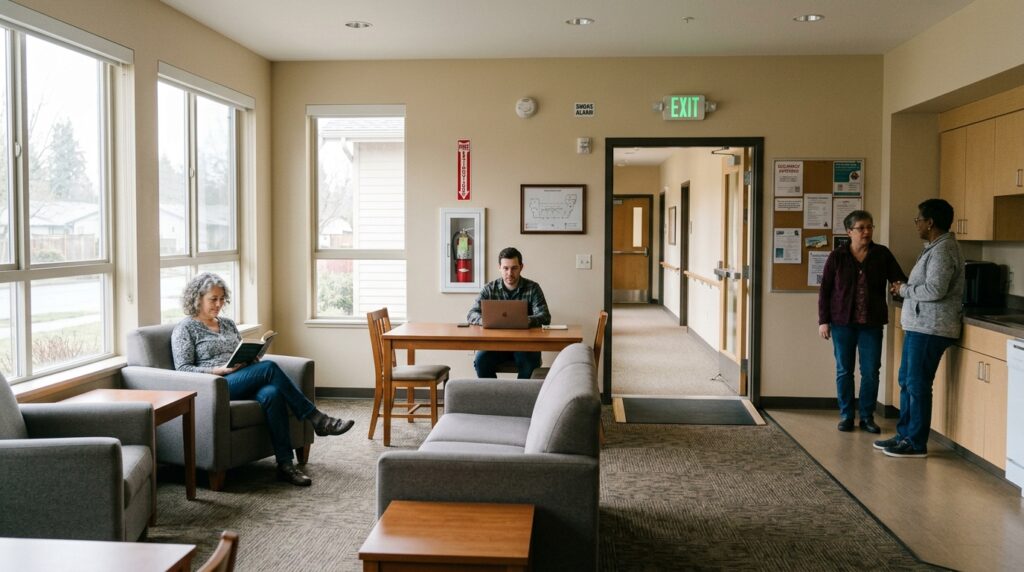
List essential daily uses: sleeping, cooking, remote work, pet care and routes through the home. A staged plan should respond to those uses rather than treating every room as simultaneously available. Tell the contractor about immovable furniture and any residents with particular access needs.
A home office may require a different sequence from a guest bedroom. A main staircase may need circulation planning even if its painted area is relatively small. Discuss what access is realistic during each stage and avoid assuming that an occupied-home project can be scheduled exactly like an empty property. Logistics can influence the order without changing the finish goal.
Agree on furniture and belongings
Clarify who moves furniture, how large pieces are handled and where items can be stored. Small decorative objects, electronics and personal belongings may need owner preparation. Do not leave those responsibilities to an unspoken expectation that the room will somehow be cleared on the first day.
Ask about protecting floors and adjacent surfaces in the context of the actual work. If substantial repair or older-coating disturbance is involved, safety and containment needs may differ from a simple repaint. Accurate preparation instructions are more useful than a blanket promise of no disruption. Keep pets and children away from active work areas according to the agreed plan.
Inspect the substrate before final color decisions
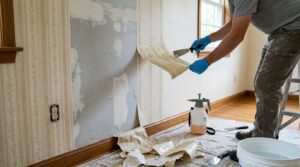
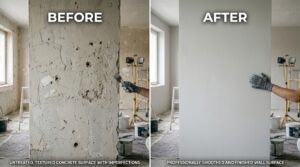
Visible cracks, stains and inconsistent patches can affect the finished appearance. A dark or reflective color may make some irregularities more noticeable. Ask which repairs are included and whether the wall needs a broader preparation scope. Paint should not be used to cover an unresolved moisture source.
Treat older coatings as a separate safety issue
Older Bronxville properties may have painted surfaces that require assessment before sanding or scraping. The EPA RRP program governs covered paid work disturbing paint in pre-1978 housing and child-occupied facilities. Verify applicable qualifications and procedures before the work. Do not assume a contractor’s general experience establishes a particular certification.
Choose colors in relation to fixed materials
Flooring, stone, cabinetry and retained furniture provide useful reference points. A color can look different beside warm wood than beside cooler surfaces. Review samples in the room rather than relying entirely on a screen. Consider adjoining spaces too, particularly where doors remain open or sightlines connect several rooms.
If furniture or lighting will change, communicate that early. You do not need to finalize every accessory to plan paint, but the main direction should be clear. Record approved colors by room so similar-looking neutrals are not confused. A photograph of an unlabeled sample is less useful than a written color and product specification.
Match sheen to appearance and maintenance
Sheen influences reflected light and the visibility of surface texture. More reflective coatings can highlight details and imperfections, while flatter finishes may soften them. Cleaning performance also matters, especially in active hallways or family rooms. Products with similar sheen names can have different characteristics.
Discuss the actual coating, not only a label such as washable or premium. Ask whether it suits the room’s use and what cleaning is allowed after curing. A practical finish decision balances appearance, substrate and maintenance. It should not be based on the assumption that higher sheen always means a better or more durable result for every surface.
 Coordinate painting with other work
Electrical changes, trim repairs and wall patching should be considered before the final coating sequence. Another trade cutting into a freshly painted wall can create avoidable repair and matching work. Explain all planned changes, even if they seem minor compared with the painting project.
Agree on the condition each area must reach before painting starts. If one contractor repairs plaster and another paints it, the handoff should specify readiness rather than a vague completion date. Temporary lighting can also affect inspection. Evaluate the intended finish under representative room lighting where practical, especially if new fixtures will graze the walls.
Understand drying and curing in an occupied home
A coating can feel dry while still being vulnerable to cleaning, pressure or frequent contact. The selected manufacturer’s instructions determine appropriate return to use. Temperature, humidity and ventilation can influence the process, so avoid treating every product as having an identical overnight schedule.
Ask when artwork, furniture and normal room use can return, and which activities need more time. Moving a cabinet against a newly coated wall may leave marks before sufficient curing. A clear plan should make these stages understandable to residents. The project is easier to live around when use restrictions are communicated before the final coat rather than afterward.
Compare estimates line by line
Two proposals for the same home may include different rooms, trim, repair allowances and coatings. Compare the surfaces and preparation assumptions before judging the totals. Ask whether furniture moving, protection, cleanup and sample work are included and what remains your responsibility.
If a condition is uncertain, establish how it will be assessed and how additional work needs approval. A generic per-room rate cannot account for every ceiling height, repair or access condition. Request an estimate tied to the Bronxville property. Confirm business-specific credentials and written terms directly rather than inferring them from marketing language about professional painting.
Keep a simple record after completion
Retain room names, product names, colors and sheen specifications. Include any care guidance and notes on underlying repairs. This helps if a future change requires a touch-up or another room is painted to coordinate with the original work.
A small repair may remain visible because aging, texture and lighting affect the existing coating. Product information improves the starting point but does not guarantee an invisible spot match. At handover, inspect the rooms in ordinary use conditions and discuss any questions while the scope is still clear. The goal is a coherent, practical finish that serves the home.
Your occupied-home painting plan
Create a short table with each room, included surfaces, chosen color if known and the times it must remain usable. Add furniture that cannot be moved and any essential circulation routes. Separate cosmetic preferences from repairs that need investigation.
Photograph representative wall damage and the room’s fixed materials. Include ceilings and trim if they are part of the request. Tell the contractor about other trades and the dates when their work is expected to finish, without assuming those dates are guaranteed.
For your Bronxville estimate, contact ROL Remodeling with the surface list, property address and occupancy needs. Ask for a proposed sequence and coating specification. Nearby Tuckahoe or Eastchester coverage should be confirmed for the address rather than inferred from a numerical service radius.
An illustrative staged-home plan
Consider a Bronxville household repainting a bedroom, hallway and home office. The office must remain usable during part of the week, while the hallway connects the occupied rooms. A sequence based only on painted area may miss those practical dependencies.
The brief should specify ceilings and trim separately, identify belongings the owner moves and explain which room can be released first. Product-specific curing guidance then determines when furniture and frequent contact can return. The plan should not assume that the smallest room is automatically the best first stage.
This example is hypothetical rather than a ROL schedule commitment. It illustrates why an occupied-home estimate needs room use alongside surface quantities. The most useful proposal connects preparation, colors and access without promising identical disruption or duration for every house.
Discuss the project with ROL Remodeling
For a property-specific conversation, review interior painting in Bronxville and our broader coverage information. Send your address, photographs and goals through the project estimate form. Confirm the service scope and current availability before scheduling.